
The Key Roles of Oncologists: A Guide to Cancer Treatment Specialists
When a patient is diagnosed with cancer, one of the first professionals they hear about is an "oncologist." So what is an oncologist, and what does he or she do in a patient's care? By understanding the specialties and roles of oncologists, patients and families can feel more educated and involved in the care process.
This article informs us about the various kinds of oncologists, what they do, how they interact with other physicians, and why their skill is essential to cancer's elimination.
What is an Oncologist?
Oncologist is the medical term for the doctor who provides cancer diagnosis and treatment. Oncologists are trained to understand the causation, growth, and effect of cancer in the body. Besides curing the disease, they care for the patient at and after diagnosis until treatment and follow-up. Types of Oncologists and Their Specialties
Cancer treatment is generally performed by a group of oncologists specialized in their professional roles. Following is an overview of the most general types:-
Medical Oncologist
A medical oncologist is a physician who usually leads the team for cancer treatment. His/her major work is to treat cancer with drugs such as:-
- Chemotherapy
- Targeted therapy
- Immunotherapy
- Hormonal therapy
They also talk to other experts, check on your progress, handle side effects, and give follow-up care after treatment.
Example: If you have breast cancer, your medical oncologist will treat you with chemotherapy before or after surgery and keep checking on your health for many years to come.
Surgical Oncologist
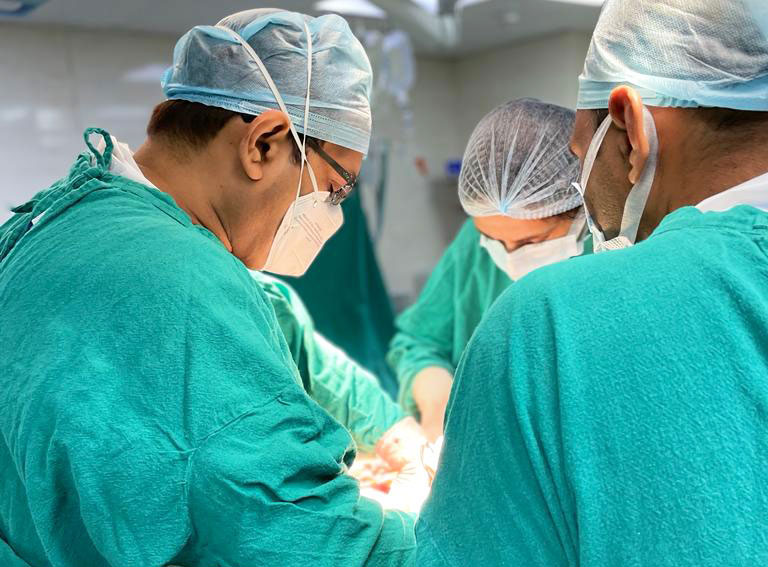
A surgical oncologist is a surgeon who specializes in the treatment of cancer. He or she performs surgery to cut out the cancer or to biopsy (sample) tissue to aid in its diagnosis. His or her role is usually the initial step in the treatment of cancer, especially if surgery can cure most or all of the disease.
Example: An individual with early cancer of the colon can potentially undergo removal of the segment of colon with cancer by surgery.
Radiation Oncologist
He specializes in using radiation treatment to cure cancer, plan and deliver targeted beams of high-energy radiation to kill or slow-growing cancer cells. Radiotherapy alone or combined with chemotherapy and surgery can be applied.
Example: A patient with a brain tumor that is cancerous may be treated with radiation after surgery to kill any remaining cancer cells.
Pediatric Oncologist
They are the physicians who treat children with cancer. Pediatric cancers differ from cancers in adults and could require special treatment. Pediatric oncologists are educated to handle child patients' and families' medical and emotional problems.
Example: A child with leukaemia (blood cancer) would be seen by a pediatric oncologist with expertise in blood cancer.
Hematologist-Oncologist
He is a doctor who diagnoses and treats both blood diseases and cancers. They are experts who manage the following illnesses:-
- Leukemia (blood cancer)
- Lymphoma (cancer of the lymph system)
- Multiple myeloma (cancer of the plasma cells)
They also manage cancer and the impact of its treatments on the blood.
The Oncologist's Role in Your Treatment Plan
Your oncologist is your primary guide during your cancer journey. Their role involves a number of primary responsibilities:-
Diagnosis
Oncologists review biopsy results, blood tests, scans (CT, MRI, PET), and other tests to determine:-
- Cancer type
- Stage (how far along it is)
- Aggressiveness
Absolute diagnosis is important because it determines the overall treatment plan.
Treatment Plan
Your oncologist then works with other specialists to create a personalized treatment plan once the diagnosis has been established. The treatment can include:-
- Surgery
- Radiation
- Chemotherapy
- Targeted therapy
- Immunotherapy
- Supportive care (pain control, nutrition, emotional support)
They inform you of the pros and cons of each option and help you make informed decisions.
Monitoring & Adjustments
Oncologists watch for how your body is responding during treatment with routine scans and blood tests. If a treatment is not effective or produces serious side effects, they can change the plan or use a different type of treatment.
Managing Side Effects
Side effects of treatments themselves can include nausea, fatigue, or infection. Oncologists work with nurses, dietitians, and pharmacists to help solve these issues so that you may continue treatment safely.
Follow-up Care
After successful treatment, your oncologist remains part of your care team. Follow-ups from time to time help:-
- To detect any sign of cancer recurrence
- To manage long-term side effects
- To support physical and emotional recovery
The Oncologist's Team: Working Together for You
Oncologists don't work in isolation as they have a team that includes:-
- Pathologists (who analyze biopsies)
- Radiologists (who interpret scans)
- Nurses (who provide day-to-day care and patient education)
- Social workers and counsellors (for emotional support)
- Nutritionists (to help with diet during treatment)
The multidisciplinary team makes sure everything that's included in your care is covered.
How to Communicate with Your Oncologist
Good communication with your oncologist is essential. Here's how to build a successful relationship:-
- Ask questions about your diagnosis, treatment, and side effects
- Take notes when you see your doctor or have someone with you
- Be honest about symptoms or concerns
- Follow up on test results or new information
If you are confused about anything, don't hesitate to request that your physician break it down once more using clear language. You are entitled to information about your care.
Second Opinions and Specialist Referrals
Cancer is complex. Sometimes it's a good idea to get a second opinion—particularly before making important decisions like surgery or chemotherapy. A good oncologist will recommend this and may even refer you to another specialist for a particular treatment, like a bone marrow transplant or clinical trial.
Conclusion: The Oncologist's Role is More Than Just Medical
Oncologists don't simply prescribe medication or order procedures. They give counsel, emotional support, and hope. They educate patients regarding their illness, allow them to make knowledgeable decisions, and share the highest possible quality of life during and after treatment. No matter your status, newly diagnosed, in treatment, or survivor needing follow-up care, your oncologist is your ally on your path with cancer.
