 info@gastrodelhi.com
 +91-9599294453
The Critical Role of Cancer Specialists in Guiding Patients to Survivorship
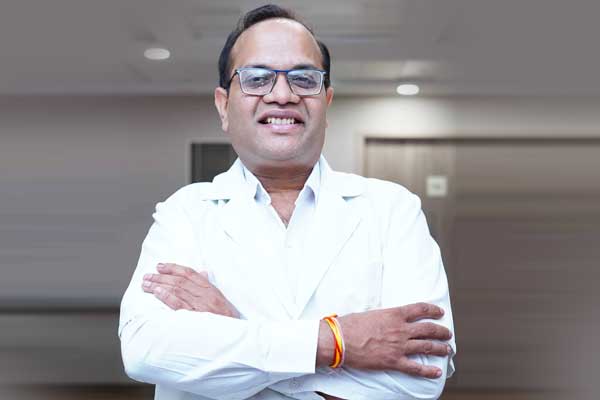
Cancer diagnosis can be daunting—both to the patient and to those who care about them. It releases a flood of emotions, choices, and unknowns simultaneously. Amidst this whirlwind of emotion is a person of guidance and strength: the cancer specialist. Sometimes called an oncologist, this physician is the one who plays a central role in making sure patients know what they are facing, can make informed treatment decisions, and eventually walk the path to survivorship.
This is written to familiarise the reader with the work of cancer specialists, who take patients from the time of diagnosis and lead them through treatment. In case you or the person you care about develops cancer, becoming aware of their work makes the journey ahead easy to understand.
Who is a Cancer Specialist?
A cancer doctor, or oncologist, is a physician specializing in diagnosing and treating cancer. There are three broad categories:-
- Medical Oncologist - employs chemotherapy, targeted therapy, or immunotherapy.
- Surgical Oncologist - excises tumours through surgery.
- Radiation Oncologist - uses radiation therapy to treat cancer.
Sometimes, patients may see all three, each contributing a complementary role as part of a team, depending on the complexity, stage, and type of cancer.
Guiding from the First Diagnosis
In many cases, the physician who breaks the news following an abnormal test or biopsy is the cancer specialist. It's a life-altering experience. Rather than abandoning patients to fright, however, the specialist intervenes, breaks it down, and reassures them.
They clarify to them:-
- The type of cancer
- How far along it has progressed (the stage)
- What can be done about it
- The advantages and disadvantages of treatment possibilities
Now, they also provide patients and families with essential questions and simple answers so that they know what will happen.
Tailoring the Treatment Plan
No two people have the same cancer. Two individuals with the same type of cancer might require different treatments based on their overall health, stage of cancer, and individual preference.
A good oncologist takes all these into account while creating a treatment plan. This plan can involve:-
- Chemotherapy is used to destroy cancer cells
- Radiation is used to shrink or kill tumours
- Surgery is used to cut out cancer tissue
- Targeted or immune therapies - new drugs that are modeled after the body's machinery
Notably, the doctor also considers optimizing the quality of life during treatment. He might recommend ways to cope with nausea, weakness, and emotional stress so the patient can remain physically and mentally robust.
Working with the Cancer Care Team
Cancer care is not a single physician's job. It involves:-
- Nurses
- Dietitians
- Psychologists or counsellors
- Pain and palliative care specialists
- Rehabilitation therapists
The cancer specialist is the team leader, ensuring all members work harmoniously. The specialist holds regular meetings to check progress and adjust the plan when necessary. Such coordination ensures that the patient is treated from all sides—medical, physical, nutritional, and emotional.
Emotional and Mental Support
Cancer is not just a physical experience—it's highly emotional. Patients get anxious, depressed, lonely, and even scared. A compassionate and experienced cancer doctor understands this and provides psychological support and medical treatment.
They:-
- Encourage open communication
- Offer mental health interventions as needed
- Inform patients that it's okay to be weak
- Help involve the patient's support system of friends and family in the healing process
Most oncologists report that a positive attitude enables the body to heal more effectively—and they do their best to instill that attitude in all patients.
Side Effects and Complications
Cancer treatment can succeed—and sometimes be hard on the body. Side effects may include hair loss, fatigue, low immunity, mouth sores, and weight loss.
The role of the cancer specialist in this regard is two-fold:-
- Prevention: Administering medication or lifestyle education to prevent side effects
- Management: Reacting immediately if complications occur
They closely monitor lab work, physical side effects, and patient complaints to ensure that the treatment is helping rather than harming them.
Preparing for Life After Treatment
After treatment is finished, most patients believe the ordeal is complete. Survivorship is a stage in itself, however. The specialist assists patients in adapting to:-
- Periodic check-ups to detect any recurrence early
- Side effects that may linger, like tiredness or nerve pain
- Lifestyle changes for good health (diet, exercise, quitting smoking)
- Emotional recovery and regaining confidence
They also explain warning signs to watch out for and regularly schedule follow-up care.
Family Members' and Caregivers' Care
Cancer not only concerns the patient but also family members. Cancer caregivers understand this and engage the caregivers in communication, planning, and support.
They:-
- Educate family members on home care support
- Provide recommendations for managing emotional depletion
- Suggest neighbourhood support groups or counselling to the caregivers
Empowering the families facilitates a healing environment to everyone's advantage.
Promoting Patient Rights & Needs
In most hospitals, cancer experts also go out of their way to enhance services—prompt scans, good drugs, and insurance coverage.
They are likely to:-
- Notify patients regarding schemes from the government or NGO assistance
- Struggle for access to newer and better drugs
- Struggle for patient-centered care in hospital operations
Their activities spread beyond the hospital bed, shaping how cancer treatment is provided nationally and in the community.
Conclusion: A Lifeline in the Cancer Journey
The journey from cancer diagnosis to survivorship is often long and challenging—but no one needs to travel it alone. A cancer specialist is a physician, navigator, counsellor, and advocate, leading patients to battle cancer and survive beyond it.
With the proper specialist at your side, cancer is a test of will—not a death sentence.
If you or your loved one has been diagnosed with cancer, seek out a skilled cancer specialist. Early, individualized care could be the difference.
We at our hospital are dedicated to walking through this journey with you—step by step.
