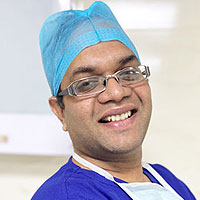
Medically Reviewed By: Dr. Neeraj Goel, MCh (GI Surgery)
Designation: Director – GI Oncology, GI & HPB Surgery
Review Date: August 28, 2026
Advanced Robotic, Laparoscopic & Colorectal Surgery by Dr. Neeraj Goel
Specialized Treatment for Diverticular Disease, Colonic Polyps, Rectal Disorders, Inflammatory Bowel Disease & Other Benign Colorectal Conditions.
Dr. Neeraj Goel brings extensive experience in advanced GI, colorectal, and robotic surgery. He provides expert care for benign colorectal disorders using the latest robotic, laparoscopic, and minimally invasive techniques. His clinical focus centers on symptom relief, bowel preservation, quick recovery, and long-term digestive health.
Your colon and rectum work hard every single day. They handle digestion, absorb water, and keep your bowel movements regular. While colorectal cancer gets most of the headlines, non-cancerous conditions are actually very common. These benign disorders affect the colon, rectum, and anus, causing pain, bleeding, recurrent infections, or blockages that make normal living miserable. When medications stop working, advanced colorectal surgery steps in to solve the problem.
Common conditions include:
Symptoms can completely disrupt your daily routine. You should never ignore persistent bowel issues. A specialist colorectal surgeon needs to evaluate ongoing symptoms to find the root cause.
Common warning signs include:
Treatment plans depend entirely on your specific condition. Surgeons use laparoscopic or robotic techniques whenever possible to speed up healing.
Operating inside the pelvis means working in very tight anatomical spaces. Robotic systems give surgeons the control they need to navigate these tricky areas safely.
Robotic technology provides:
Compared to traditional open surgery with large incisions, minimally invasive approaches offer clear advantages:
Successful colorectal surgery requires accurate diagnosis, thorough imaging evaluation, expertise in bowel preservation, and careful postoperative care. The goal is not just fixing the disease, but protecting your long-term bowel function and everyday quality of life.
At Dr. Neeraj Goel's center, patients benefit from a comprehensive recovery pathway:
They are non-cancerous disorders of the colon, rectum, or anus. They cause pain, bleeding, or bowel dysfunction and may require surgery when medicines no longer help.
You might need surgery if you deal with recurrent infections, abscesses, strictures, or abnormal fistulas connecting to other organs.
Rectal prolapse occurs when the rectum slips out through the anus, causing pain and incontinence. Surgeons fix this using an advanced procedure called rectopexy.
The pelvis is extremely narrow. Robotic arms offer 3D vision, tremor-free movements, and better precision, making it easier to preserve vital nerves.
The surgeon removes only the diseased section of your colon and connects the healthy ends back together.
Book an evaluation if you have persistent stomach pain, chronic constipation, diarrhea, rectal bleeding, mucus in your stool, or prolapse symptoms.