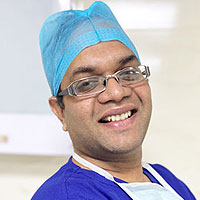
Clinically Reviewed by: Dr. Neeraj Goel, MBBS, MS (General Surgery), MCh (Surgical Gastroenterology)
Director & Senior Consultant : GI Oncology, GI & HPB Surgery, Dharamshila Narayana Superspeciality Hospital
Clinical Review Date: August 2026
Receiving a cancer diagnosis is one of the most overwhelming experiences an individual or family can face. In the immediate aftermath of an abnormal biopsy or imaging scan, the sheer volume of medical terminology, emotional distress, and pressure to start treatment immediately can feel paralyzing. Patients frequently find themselves asking whether the initial diagnosis is completely conclusive, whether major radical surgery is the only path forward, or whether alternative, organ-preserving, and targeted therapies could offer better long-term survival and quality of life. However, navigating cancer care with absolute certainty is possible. Seeking an independent second opinion in oncology is an established, evidence-based standard of care worldwide. In this comprehensive guide, we will discuss all about why a second opinion in oncology is vital, when to seek one, how it refines diagnosis and staging, how to prepare your medical records, and why seeking care from the best GI cancer surgeon in Delhi can be essential for the best cancer treatment in Delhi.
A formal second opinion in oncology is an independent, thorough re-evaluation of a patient's complete cancer diagnosis and management plan conducted by an experienced subspecialist or a multidisciplinary tumor board (MDT). It involves far more than simply glancing at a previous doctor's summary; it is a meticulous clinical audit of primary medical records, pathology slides, high-resolution diagnostic imaging, and molecular profiling.
The primary goal of a second opinion is to verify three foundational pillars of oncology care:
Modern oncology is evolving at an unprecedented pace. Advancements in genomic profiling, immunotherapy, and complex minimally invasive and robotic surgical techniques have made cancer treatment highly individualized. A second opinion provides substantial clinical advantages:
While any cancer patient has the sovereign right to seek another medical perspective, a formal second opinion is strongly recommended in the following scenarios:
A frequent concern among patients is that requesting a second opinion might strain their relationship with their primary doctor. In professional oncology practice, this is a myth. Seasoned, ethical oncologists routinely welcome second opinions and often encourage them for complex cases. Oncology is intrinsically collaborative. A confident clinician respects a patient’s right to be fully informed, and obtaining your complete diagnostic files, imaging discs, and biopsy blocks is a standard medical entitlement.
To maximize the clinical value of your consultation, having organized, comprehensive documentation is vital. Essential medical records to compile include:
In the overwhelming majority of solid malignancies, taking 7 to 14 days to assemble reports and obtain an expert second opinion does not compromise oncological outcomes. Starting the correct, biologically targeted treatment plan based on confirmed staging is far more critical than rushing into an improper therapy.
Yes. International clinical studies show that secondary oncological consultations lead to revisions in diagnosis, staging, or therapeutic sequencing in up to 15% to 30% of cancer cases, particularly in complex gastrointestinal, hepatobiliary, and pancreatic cancers.
No. Patients maintain complete autonomy. If the second opinion confirms your original treatment roadmap, you can proceed locally with your primary team with complete reassurance. If an alternative treatment pathway or specialized surgery is advised, you choose where and with whom you wish to proceed.
When facing a complex gastrointestinal or abdominal cancer diagnosis, consulting an accomplished specialist can transform the course of care. Dr. Neeraj Goel, the best GI cancer surgeon in Delhi, is widely recognized for delivering thorough, evidence-based second opinions in GI oncology and HPB surgical oncology. With over two decades of clinical and operative excellence, Dr. Goel provides an individualized, multidisciplinary evaluation combining international fellowship expertise in robotic and minimally invasive surgical oncology with compassionate patient guidance. For patients and caregivers seeking absolute diagnostic clarity and the highest standard of surgical precision, consulting Dr. Neeraj Goel guarantees access to world-class oncological expertise dedicated to achieving the best possible oncological outcomes.