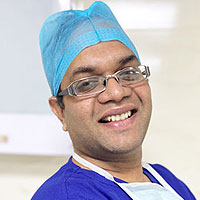
Medically Reviewed By: Dr. Neeraj Goel, MCh (GI Surgery & Surgical Oncology)
Designation: Director – GI Surgery, Robotic Surgery & Advanced Minimally Invasive Surgery
Review Date: August 28, 2026
Dr. Neeraj Goel reviewed this guide for clinical accuracy. His surgical background gives patients practical, honest advice on getting through post-operative healing, rebuilding strength, and returning safely to daily routines.
Getting through an operation is a big milestone. But the surgery itself is only half the picture. Whether you just had a gallbladder removed, a hernia repaired, acid reflux surgery, or a major liver or pancreatic procedure, what you do in the days and weeks after leaving the hospital matters just as much as the time spent on the operating table.
Healing goes way beyond waiting for skin cuts to close. It is about rebuilding your strength. It is about helping your gut wake up, keeping your spirits up, and getting back to work and family life without setbacks. A clear, steady daily routine keeps complications away and gets you feeling like yourself again much sooner.
Your body burns a lot of energy repairing internal tissues after an operation. Giving it the right fuel makes a real difference in how fast you bounce back.
Rest is necessary, but lying in bed all day does more harm than good. Gentle movement wakes up your bowels, clears your lungs, and stops dangerous blood clots from forming in your legs.
Surgery takes an emotional toll, too. Feeling tired, anxious, or down during recovery is completely normal.
Traditional open operations require a large cut through abdominal muscle. That usually brings more post-op soreness, higher wound strain, and a longer stay in the hospital.
Robotic surgery changes that completely. Surgeons operate through tiny keyhole cuts using steady, wristed tools and 3D magnification. Because tissue handling is gentle, you deal with far less pain, smaller scars, minimal blood loss, and a much faster trip back home.
Keep it simple, light, and protein-heavy. Dishes made with lentils, paneer, eggs, chicken, fish, or yogurt give your body the exact materials it needs to repair muscle and close up wounds. Add in fresh fruits like papaya and cooked vegetables, drink plenty of water, and eat smaller meals throughout the day so your stomach never feels uncomfortably stuffed.
Pretty much right away. Your care team will want you up and taking short, gentle steps within the first day or two. You do not need to run a marathon; just walking down the hallway gets your blood circulating, wakes up your bowels, and stops dangerous blood clots from forming in your legs.
That deep, post-op fatigue is entirely normal. Even while you are sitting on the couch, your body is burning through energy to rebuild tissues, mend incisions, and recover from anesthesia. Listen to your body, take naps whenever you feel the urge, drink your fluids, and do not rush things.
Simple, quiet breathing exercises like Anulom Vilom are usually fine early on. But before you try any deep bends, twists, or poses that pull on your stomach muscles, always check with your surgeon during your follow-up visit.
Anesthesia, pain medications, and the surgery itself temporarily put your digestive tract to sleep. As your bowels slowly wake up, gas builds up and things move slowly. Taking regular strolls around the house, drinking warm fluids, and avoiding heavy, greasy meals will help your digestion get back on track.
Stay away from oily, deep-fried snacks, heavy spices, and sugary sweets that can irritate your stomach lining. Skip fizzy sodas because they trap painful gas in your belly. Most importantly, do not touch cigarettes or alcohol, since both restrict blood flow and drastically slow down wound healing.
Robotic surgery uses tiny keyhole incisions rather than one large abdominal cut. Because there is far less trauma to your abdominal muscles, you will deal with substantially less pain, lose less blood, leave the hospital sooner, and get back to your regular life much faster.
That depends entirely on what kind of surgery you had and what you do for a living. If you work a desk job and had a robotic procedure, you might be back at your computer within a couple of weeks. If your job involves heavy lifting or you had open surgery, you will need more time. Your surgeon will help you set a safe date.
Feeling good is great, but follow-up visits allow your surgeon to check your incisions closely, make sure you are absorbing nutrition properly, catch any hidden complications early, and safely clear you for more physical activity.
Having emotional highs and lows after surgery is very common. Take things one day at a time. Practicing slow belly breathing, keeping a quiet sleep routine, getting some fresh air, and talking openly with your family and surgical team will help keep your mind steady.