Esophagus (Food Pipe)

Esophageal Cancer Treatment in Delhi

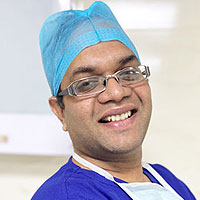
Dr. Neeraj Goel

Medically Reviewed By: Dr. Neeraj Goel, MBBS, MS, MCh (Surgical Gastroenterology)

Designation: Director – GI Oncology, GI & HPB Surgery

Clinical Review Date: August 23, 2026

Understanding What's Going On

The esophagus is a muscular tube that runs through the chest. Its function is to transfer food and liquids to the stomach after swallowing. Cancer starts here when cells along the inner lining grow uncontrollably.

The main sign you should never ignore is difficulty in swallowing. Finding this early changes the whole picture. When caught before it spreads, combining surgery with chemotherapy or radiation gives you the best chance at cure.

The Two Main Types

  • Adenocarcinoma: Typically develops near the lower end of the food pipe where it joins the stomach. Long-standing acid reflux, Barrett's esophagus, and obesity increase the risk.
  • Squamous Cell Carcinoma: Grows in the flat lining cells higher up in the middle or upper esophagus. It is closely tied to smoking, chewing tobacco, heavy drinking, and poor nutrition.

Request an appointment
 

Risk Factors

  • Chronic acid reflux or heartburn
  • Barrett's esophagus
  • Smoking cigarettes, bidis, or chewing tobacco
  • Regular heavy drinking
  • Obesity
  • A family history of digestive tract cancers

Warning Signs

  • Early warning signs: difficulty in swallowing, feeling of food getting stuck, persistent heartburn, sudden weight loss, and loss of appetite.
  • Later signs: Even liquids or water cannot be swallowed, painful swallowing, dull chest tightness, a hoarse voice, a nagging cough, food coming back up, and weakness.

Diagnostic Tests

  • Endoscopy & Biopsy: The main test. A flexible scope is passed into the food pipe to look at the growth and take biopsies.
  • CT Scan (CECT):Tells about the extent of tumor and its spread.
  • PET-CT Scan: A full-body scan to look for distant spread.
  • Endoscopic Ultrasound (EUS): A flexible scope with an ultrasound probe at its tip. It assesses the depth of tumor invasion.

Request an appointment
 

Stages of Esophageal Cancer

  • Stage I: A small tumor limited to the inner lining.
  • Stage II: The growth has reached the muscle wall or spread to 1 or 2 nearby lymph nodes.
  • Stage III: The tumor has gone beyond the outer wall into surrounding tissues or involves multiple lymph nodes.
  • Stage IV: The cancer has spread to distant organs.

Surgery: Esophagectomy

For operable cases, surgery gives you the cleanest shot at extended survival.

  • What happens in the operating room: The surgeon removes the food pipe along with local lymph nodes and a small piece of the upper stomach. The remaining stomach is reshaped into a tube, pulled up into the chest or neck, and joined back to the healthy esophagus so you can swallow naturally.
  • Keyhole and robotic surgery: Instead of making large cuts across the chest and belly, surgeons work through tiny keyhole ports. Smaller incisions mean far less wound pain, less strain on your lungs, minimal bleeding, and a quicker return home.

Chemotherapy and Other Treatments

  • Treatment before surgery: Giving chemotherapy and radiation before the operation shrinks larger tumors, clears stray cells, and makes surgery safer and cleaner.
  • When surgery is not an option: Chemotherapy, immunotherapy, radiation, or placing an expandable mesh stent inside the food pipe can open the blockage so you can swallow comfortably and keep your strength up.

Request an appointment
 

Why Consult Dr. Neeraj Goel?

  • Over twenty years in GI cancer surgery: Vast experience in managing esophageal disorders.
  • Keyhole & robotic focus: Advanced training in minimally invasive techniques to make recovery faster and early discharge.
  • Comprehensive team work: Surgeons, medical oncologists, radiation specialists, and dietitians collaborating on every detail of your care.

Clinical Perspective

Our focus in esophageal surgery is getting the entire tumor out while keeping your recovery as gentle as possible. For larger tumors, chemoradiation before surgery often down stages enough to make a robotic keyhole operation safe and straightforward. With structured breathing exercises, early walking, and step-by-step meal plans, most of our patients transition back to soft foods and head home within 6 to 8 days.

Frequently Asked Questions About Esophageal Cancer

Can esophageal cancer actually be cured?

Yes. When found early and treated with complete surgery along with chemotherapy and radiotherapy, many patients achieve long-term remission and a full cure.

Does trouble swallowing always mean it's cancer?

No. Muscle spasms, severe reflux, and benign strictures can also make swallowing difficult. But if food keeps getting stuck, get it checked by a specialist right away.

What is Barrett's esophagus?

It is a condition where chronic stomach acid damages and alters the lining of the lower food pipe, raising your long-term cancer risk.

What can I eat after surgery?

You will start with clear liquids under clinical supervision, then slowly advance to purees and soft food before returning to regular meals in smaller portions.

When should I see a doctor?

Book an appointment right away if food starts getting stuck in your chest, you have persistent heartburn, you lose weight, or an endoscopy shows unusual tissue.

Schedule an Advanced GI Laparoscopic Consultation with Dr. Neeraj Goel

  • Specialist: Neeraj Goel, MBBS, MS, MCh (Surgical Gastroenterology)
  • Designation: Director & Senior Consultant – GI Oncology, GI & HPB Surgery
  • Hospital Address: Dharamshila Narayana Superspeciality Hospital, Vasundhara Enclave, Delhi.
    For Appointment Call: 095992 94453
    Consultation Hours: Monday to Saturday, 10:00 AM to 4:00 PM
  • Clinic Address: DIGS, Room No. 1, UG Floor, C-61A, Rajan Babu Rd, Block C, Adarsh Nagar, Delhi, 110033.
    For Appointment Call: 098113 92062
    Consultation Hours: Monday to Saturday, 06:00 AM to 7:30 PM
  • Clinical Focus: Advanced Laparoscopic & Robotic GI Cancer Resection, Laparoscopic Cholecystectomy, Hernia & Bariatric Surgery
  • Inquiries & Appointments: Dedicated Gastrointestinal & Minimally Access Surgery Outpatient Clinic, Dharamshila Narayana Superspeciality Hospital, Delhi
Medical Disclaimer: This guide is intended for educational purposes only and cannot substitute for an in-person medical evaluation, diagnosis, or treatment. Difficulty swallowing, chest pain, and severe reflux require timely medical evaluation. If you experience persistent trouble swallowing, unexplained weight loss, or lingering digestive symptoms, consult a qualified GI surgeon or gastroenterologist promptly. Never disregard professional medical advice based on online content.
GI Surgeon In DelhiQuestions? Contact us online or give us a call at +91-9599294453 today!
| | |
© 2026 GASTRODELHI-Dr. Neeraj Goel All Rights Reserved.